
Converting Your Garage? The Door Still Has to Earn Its Keep
Rule of thumb: if the opening stays, the door stays a door — and it still needs the maintenance and clearances of a working garage door, even if nobody ever opens it. The exceptions are narrower than most homeowners think: a full wall-in conversion where the opening is framed shut, a case where you genuinely never plan to use that bay for a vehicle or storm prep again, or a situation where resale value doesn't matter to you at all.
Why the Door Doesn't Just Become Irrelevant
When a garage turns into a home gym, office, or workshop, the instinct is to treat the door like old furniture — ignore it, maybe throw a curtain over it, and move on. But the door is still a large moving panel attached to springs under tension, sitting in an opening that was built to code for wind load. Converting the room around it doesn't change any of that.
What actually happens, in most conversions:
- The door gets insulated or covered, but the hardware doesn't get serviced. Owners add foam board or drywall to the inside of the door for soundproofing or temperature control, then forget the springs and rollers are still back there doing their job. A year later nobody remembers the last time it was lubricated.
- Humidity gets trapped instead of ventilated. An open garage breathes a little — gaps around the door let air move. Seal that space up for a gym or office without adding real ventilation, and Southwest Florida's humidity has nowhere to go. Condensation forms on the inside of the door panel, especially during summer storm season when outdoor humidity spikes in the afternoon. That moisture sits against the steel or wood and accelerates rust or swelling, the same damage salt air causes near the coast.
- The opener keeps running on old settings. If you've added insulation panels or built anything that touches the door, the weight has changed. An opener still tuned for the original door can strain the motor or let the door close with more force than it should, which is also how auto-reverse sensors start tripping for no obvious reason.
- Furniture and equipment creep into the track path. Gym equipment, workbenches, and shelving get built right up against the door because that's the only flat wall in the room. Then the door can't fully open or close, or something gets dented the first time it's used.
The Real Decision: Keep It Working or Build It Out
There are really only two honest paths, and the mistake is landing in between.
Option 1: Keep the Door Fully Functional
This makes sense if you still want flexibility — parking a second vehicle there occasionally, using the bay for storm prep before a hurricane, or keeping resale value up since most buyers expect a working garage. If you go this route:
- Service the door on the same schedule you would if it were used daily — lubrication, hardware inspection, weatherstripping check — even if it rarely opens. Rubber seals dry out and hinges rust just from sitting in humid air.
- Keep the opener's force and travel limit settings updated any time you add weight to the door itself.
- Leave clearance for the door's full swing and track, even if that means the gym bench goes against a different wall.
- Make sure the door is still rated for wind load if it's ever going to serve as your hurricane-season vehicle access — don't let a gym conversion quietly compromise storm protection you're counting on.
Option 2: Build the Door Out of the Equation
If the garage is never going back to parking a car, the cleaner long-term fix is removing the door and framing a real wall with a window or exterior door instead. This avoids the insulation-and-condensation problem entirely, gets rid of a component you'd otherwise maintain for no functional reason, and often looks more finished than a disguised garage door from the street. The trade-off is cost and permitting work upfront, plus the fact that it's a one-way decision — reversing it later to restore a garage means redoing structural work, not just reinstalling a door.
The Middle Ground That Causes Problems
Where homeowners get in trouble is insulating and finishing the inside of the door as if it were a wall, while leaving the opener, springs, and track in place and functional. That setup gets the humidity and condensation risk of a sealed room, the weight and clearance issues of a modified door, and still carries the maintenance burden of real garage door hardware — without the benefit of ever actually using it as a garage. If you're not going to remove the door, it's better to leave it bare on the interior side and address temperature or noise control a different way, like a portable unit or interior storm curtain, rather than turning the door itself into a half-measure wall.
When to Call Cape Coral Garage & Gate
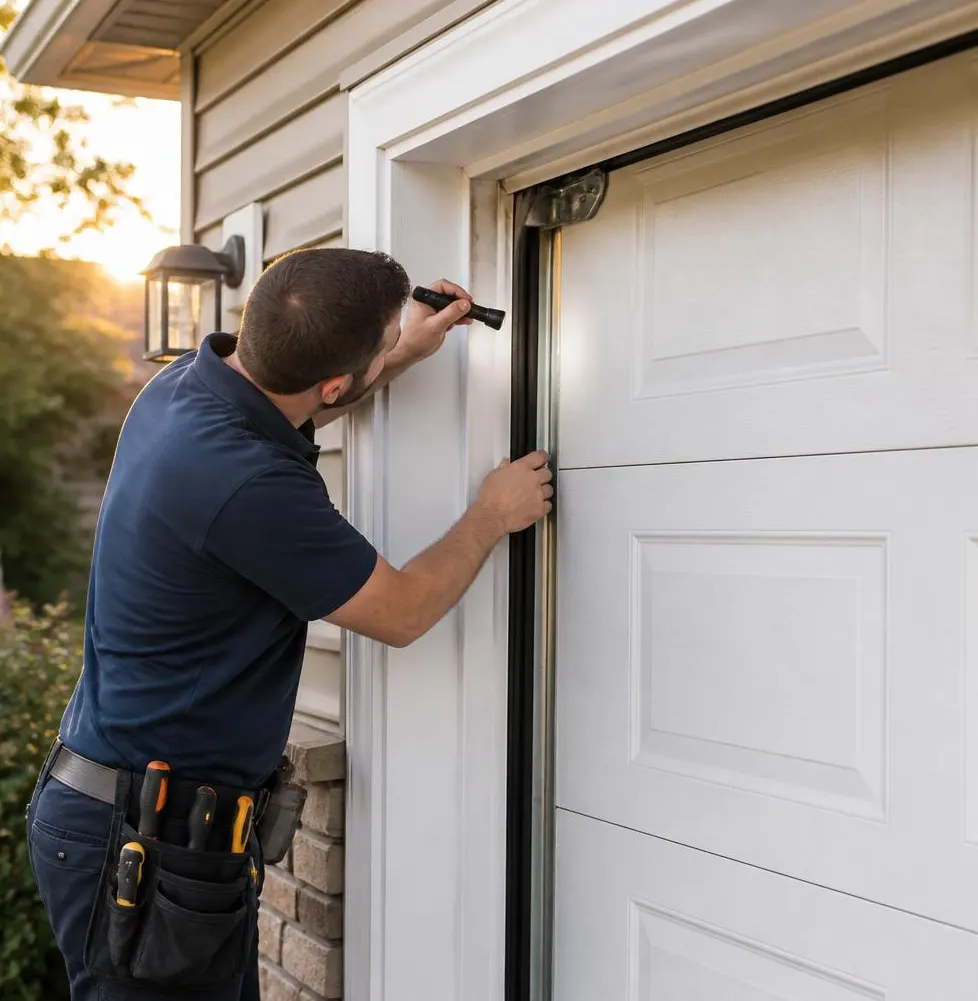
If you're keeping the door functional through a conversion, a maintenance visit is the right move before you finish the room — we'll check spring balance, lubricate hardware, inspect weatherstripping for rust or swelling, and confirm the opener's force settings match any added weight. If you're planning to build the opening out permanently, we can advise on what needs to come out versus what the framing crew should handle, and if you decide later you want a working door back in that opening, garage door installation is straightforward as long as the structural opening is still sound.
Either way, don't let a weekend project turn into a storm-season surprise. Call Cape Coral Garage & Gate and we'll help you settle the argument with a straight answer for your specific setup.